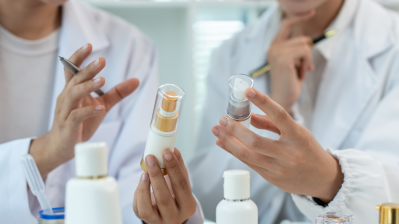
Cosmetic Testing
Cosmetic testing helps manufacturers assess the quality, safety and stability of products before they reach consumers. From microbiological testing and chemical analysis to stability studies, the right testing approach provides valuable information about a product's characteristics and performance.
Tentamus supports cosmetic manufacturers with specialist testing services across microbiology, chemistry and stability. Whether you are developing a new formulation, assessing raw materials or reviewing an established product, our testing services can help you make informed decisions throughout product development and quality control.
Supporting Cosmetic Product Quality and Safety
Cosmetic products come in many forms, from shampoos and body lotions to facial cleansers, creams and other personal care products. Each formulation has different characteristics, ingredients and potential quality considerations.
Testing can help manufacturers assess microbiological quality, investigate relevant chemical properties and understand how a formulation changes under defined storage conditions. The appropriate testing programme depends on the product, its intended use, formulation, packaging and applicable regulatory requirements.
Our Cosmetic Testing Services
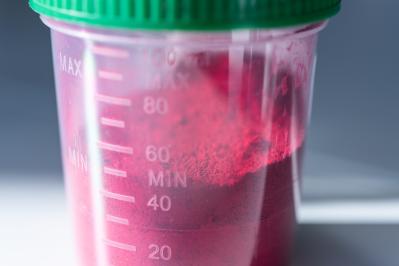

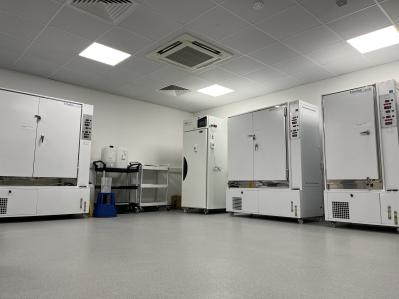
Testing Across Cosmetic Product Development
Testing can play a role at several stages of a cosmetic product's lifecycle. During development, it can help manufacturers understand formulation characteristics and identify areas requiring further investigation. Before launch, appropriate testing can contribute to the evidence used in product quality and safety assessments. For established products, testing can support ongoing quality control and investigations into changes in formulation, ingredients or manufacturing processes.
A testing programme should be selected according to the product's characteristics, intended use and applicable requirements, rather than applying the same set of tests to every formulation.
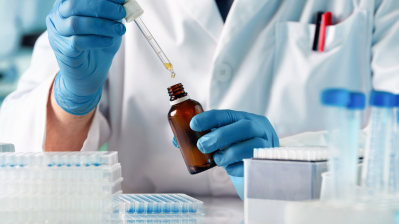
Trust Tentamus
Tentamus UK brings together specialist laboratory expertise across different areas of testing. Our cosmetic testing offering covers microbiology, chemistry and stability studies, helping manufacturers identify the services relevant to their products and technical requirements.
Tell us about your product, the stage of development and the questions you need testing to address. Our team can help direct your enquiry to the appropriate service.
Looking for cosmetic testing services?
Contact us using the contact form below!
Frequently Asked Questions About Cosmetic Testing
What is cosmetic testing?
Cosmetic testing involves laboratory assessments used to evaluate selected characteristics of cosmetic products, including microbiological quality, chemical properties and stability. The appropriate tests depend on the formulation, intended use and purpose of the assessment.
What tests are needed for cosmetic products?
The tests required or recommended depend on the individual product and the applicable regulatory framework. Manufacturers may need to consider microbiological quality, preservative efficacy, chemical analysis and stability data as part of a broader product safety and quality assessment. Not every product requires the same testing programme.
Why is cosmetic product testing important?
Testing provides evidence about selected product characteristics and helps manufacturers assess quality, investigate potential issues and support product development. It can also contribute to the information considered during cosmetic product safety assessments.
Can Tentamus UK test both finished cosmetics and raw materials?
The appropriate testing options depend on the material, requested analysis and laboratory scope. Contact Tentamus UK with details of the finished product or raw material so that the relevant services can be confirmed.
How do I choose the right cosmetic tests?
Start by identifying the product type, formulation, intended use and the question you need the test to answer. A technical discussion can help establish which assessments are appropriate and whether additional information is required.
Does cosmetic testing alone demonstrate regulatory compliance?
No. Laboratory testing can provide important supporting evidence, but regulatory compliance may also depend on the formulation, safety assessment, product information, manufacturing controls and other applicable obligations.