
Cosmetic Chemistry Testing
Chemical analysis helps cosmetic manufacturers understand the composition and selected chemical characteristics of their products and raw materials. From investigating specific substances to assessing heavy metals, cosmetic chemistry testing can provide valuable information for product development, quality control and ingredient assessment.
Tentamus offers access to specialist chemical testing expertise to help manufacturers identify the analyses relevant to their cosmetic products. The appropriate testing approach depends on the formulation, ingredients, intended use and the specific questions that need to be addressed.
More About Cosmetic Chemistry Testing
Cosmetic formulations contain a range of ingredients, each contributing to characteristics such as texture, appearance, cleansing performance or moisturisation. Understanding the chemical characteristics of these ingredients and the finished formulation can support quality control and help manufacturers investigate potential concerns.
Chemical analysis may be used to assess selected substances in raw materials or finished products, investigate unexpected results, or support decisions during formulation development.
The choice of analytical method depends on the substance being investigated, the sample matrix, the required detection capability and the purpose of the analysis.
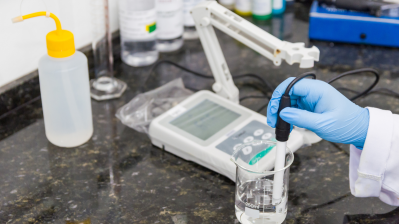
Our Cosmetic Chemistry Testing Services
We offer specialist chemical testing to help cosmetic manufacturers assess product composition, investigate specific substances and support quality control. Depending on the product and the laboratory's available scope, cosmetic chemistry testing may include:
-
Heavy metals testing
Analysis for selected elements, such as lead, cadmium, arsenic and mercury, in cosmetic products or raw materials.
-
Elemental analysis by ICP-MS
Inductively coupled plasma mass spectrometry (ICP-MS) can be used to measure selected elements at low concentrations, subject to method suitability.
-
Cosmetic raw material analysis
Chemical assessment of selected ingredients to help manufacturers investigate specific characteristics or concerns.
-
Chemical analysis of finished products
Testing to investigate selected substances or chemical characteristics in cosmetic formulations.
-
Product development and quality control testing
Targeted chemical analysis to support formulation development, investigate changes and assess products against relevant specifications.
The appropriate testing approach depends on the sample, the substances being investigated and the purpose of the analysis. Contact us to discuss your requirements and confirm which services are available for your product.
Cosmetic Products and Ingredients We Test
Chemical testing requirements differ according to the formulation and ingredients. Products and materials that may be relevant include:
- Shampoos and conditioners
- Body lotions and creams
- Facial cleansers and other personal care products
- Cosmetic ingredients and selected raw materials
The availability of a particular analysis depends on the sample, the substance being investigated and the relevant laboratory's capabilities.
Frequently Asked Questions
What does cosmetic chemistry testing involve?
Cosmetic chemistry testing involves analysing selected chemical characteristics of cosmetic products or their ingredients. Depending on the testing objective, this may include elemental analysis, investigating specific substances or assessing raw materials to support product development and quality control.
Which chemical tests are available for cosmetics?
The appropriate tests depend on the formulation, ingredients and questions being investigated. Potential areas of analysis include heavy metals testing, elemental analysis and targeted chemical assessments of selected raw materials or finished products. Available services should be confirmed for the specific sample and testing requirement.
How are heavy metals measured in cosmetics?
Inductively coupled plasma mass spectrometry (ICP-MS) is an analytical technique used to measure selected elements at low concentrations. Its suitability depends on the sample matrix, preparation method, elements being investigated and the laboratory's validated testing scope.
Can cosmetic ingredients be tested before they are used in a formulation?
Yes, selected raw materials can be analysed where an appropriate method is available. Testing may help manufacturers investigate specific chemical characteristics or potential contaminants before ingredients are incorporated into a finished product. The required analysis should be determined according to the ingredient, supplier information and intended application.
Can chemical testing identify contaminants in cosmetics?
Chemical testing can investigate specific substances that may be present in a cosmetic product or raw material. However, no single method detects every possible contaminant. The analytical approach must be selected according to the substances of concern, the sample and the required detection capability.
When should a manufacturer arrange cosmetic chemistry testing?
Chemical analysis may be useful during product development, when introducing a new raw material, following a formulation change or when investigating an unexpected result. It may also support routine quality control where specific chemical parameters form part of a product specification.
Can cosmetic chemistry testing help demonstrate regulatory compliance?
Chemical testing can provide evidence relevant to particular regulatory requirements, but testing alone does not establish overall compliance. Results need to be considered alongside the applicable legislation, product formulation, intended use, exposure assessment and other relevant safety documentation.
Can the same chemical testing method be used for every cosmetic product?
No. Different formulations and sample matrices can affect how a substance is extracted, measured and reported. The suitability of a method depends on the product, the analyte of interest and the required analytical performance. The laboratory should confirm that the proposed method is appropriate for the intended purpose.