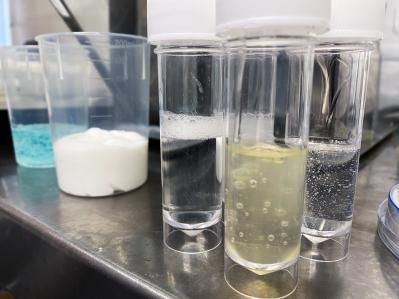
Cosmetic Stability Studies
Cosmetic stability studies help manufacturers understand how a product's characteristics change over time under defined storage conditions. They can provide useful evidence during product development and help inform decisions about formulation performance, storage conditions and shelf-life justification.
From shampoos and conditioners to creams and lotions, cosmetic formulations may respond differently to temperature, light, storage conditions and interactions between ingredients. A suitable stability study helps manufacturers investigate these changes in a controlled and documented way.
Tentamus UK can help direct cosmetic manufacturers to relevant testing expertise for their stability study requirements, subject to confirmation of the specific service and study scope.
What Are Cosmetic Stability Studies?
Cosmetic stability studies assess selected product characteristics over a defined period. Depending on the formulation and study protocol, these may include appearance, colour, odour, pH, consistency or other relevant physical and chemical properties.
The purpose is to observe whether a product maintains its specified characteristics under the conditions being investigated.
Stability testing is not a single standardised programme that applies identically to every cosmetic product. The study design should reflect the formulation, packaging, intended storage conditions and the information the manufacturer needs to obtain.
More About Stability Testing
A formulation may behave differently over time than it does immediately after manufacture. Changes in ingredients, manufacturing processes or packaging can also affect product performance.
Stability studies can help manufacturers:
- Identify changes in a formulation during storage.
- Compare formulations during product development.
- Investigate the effect of defined storage conditions.
- Assess whether selected product characteristics remain within established specifications.
- Generate supporting evidence for shelf-life decisions.
The findings should be interpreted in the context of the study design and other relevant product information.
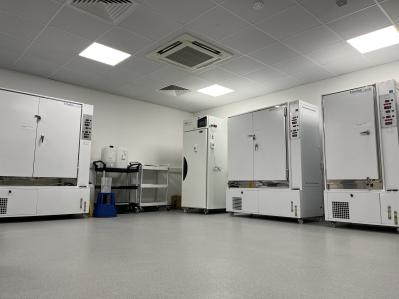
Types of Cosmetic Stability Studies
-
Accelerated Stability Testing
Accelerated stability testing exposes products to defined conditions, often involving elevated temperatures, to investigate potential changes over a shorter period.
These studies can help manufacturers compare formulations and identify potential stability concerns during development.
However, accelerated testing does not automatically predict an exact shelf life. The relationship between accelerated conditions and real-world storage depends on the formulation, the degradation mechanisms involved and the suitability of the study design.
-
Real-Time Stability Studies
Real-time stability studies monitor products under specified storage conditions over an extended period.
They can provide evidence about how selected product characteristics change under the conditions being studied. The duration, test intervals and acceptance criteria should be defined according to the product and the purpose of the assessment.
-
Physical and Chemical Stability Assessments
Depending on the product and available methods, stability assessments may include monitoring changes in characteristics such as pH, colour, odour, appearance or consistency.
The measurements selected should be relevant to the formulation and its quality specifications. Where microbiological quality or packaging compatibility is also a concern, additional assessments may need to be considered separately.
Contact us for more information!
Frequently Asked Questions
What is cosmetic stability testing?
Cosmetic stability testing evaluates how selected characteristics of a cosmetic product change over time under defined conditions. It can help manufacturers assess formulation performance and support decisions about storage and shelf life.
What is accelerated stability testing?
Accelerated stability testing exposes a product to defined conditions intended to investigate potential changes over a shorter period. Elevated temperatures are commonly used, although the appropriate conditions depend on the product and study design.
What is the difference between accelerated and real-time stability testing?
Accelerated studies investigate product changes under selected conditions over a shorter period. Real-time studies monitor changes over a longer period under specified storage conditions. The two approaches provide different information and should be interpreted according to the study objectives.
Can stability testing determine a cosmetic product's shelf life?
Stability data can support shelf-life decisions, but testing does not automatically establish a definitive shelf life. The conclusion depends on the data available, study design, acceptance criteria and other relevant product information.
Which cosmetic products can undergo stability studies?
Stability studies may be relevant to a wide range of formulations, including shampoos, conditioners, lotions and creams. The available study options and appropriate parameters depend on the specific product and the laboratory's service scope.
Which parameters are assessed during cosmetic stability testing?
Depending on the product, relevant parameters may include appearance, colour, odour, pH and consistency. Other assessments may be appropriate where justified by the formulation and study objectives.
Can packaging affect cosmetic stability?
Yes. Packaging may influence product exposure to light, air or other environmental factors, and interactions between a formulation and its packaging may also be relevant. Packaging compatibility should be assessed where appropriate and where the relevant testing service is available.